.jpg)
Kyoto Sakura: 6 Must-Visit Cherry Blossom Spots for an Unforgettable Spring
- くまCEO
- 18 時間前
- 読了時間: 7分
Kyoto Sakura【Introduction】
Kyoto Sakura season is widely regarded as one of the most beautiful natural events in all of Japan. Every spring, from late March through mid-April, the ancient capital transforms into a breathtaking canvas of soft pinks and delicate whites, drawing visitors from around the world to its temples, riverbanks, and stone-paved paths. Whether you are seeking a dramatic nighttime illumination beneath weeping blossoms, a peaceful walk along a canal lined with cherry trees, or a sweeping panorama of a hillside ablaze with color, Kyoto Sakura has something to offer every kind of traveler. In this guide, we introduce six of the finest cherry blossom spots in and around Kyoto, each with its own unique character, variety of blossoms, and atmosphere. Plan your visit carefully and you will return home with memories that last a lifetime.
Kyoto Sakura1: Kodai-ji Temple
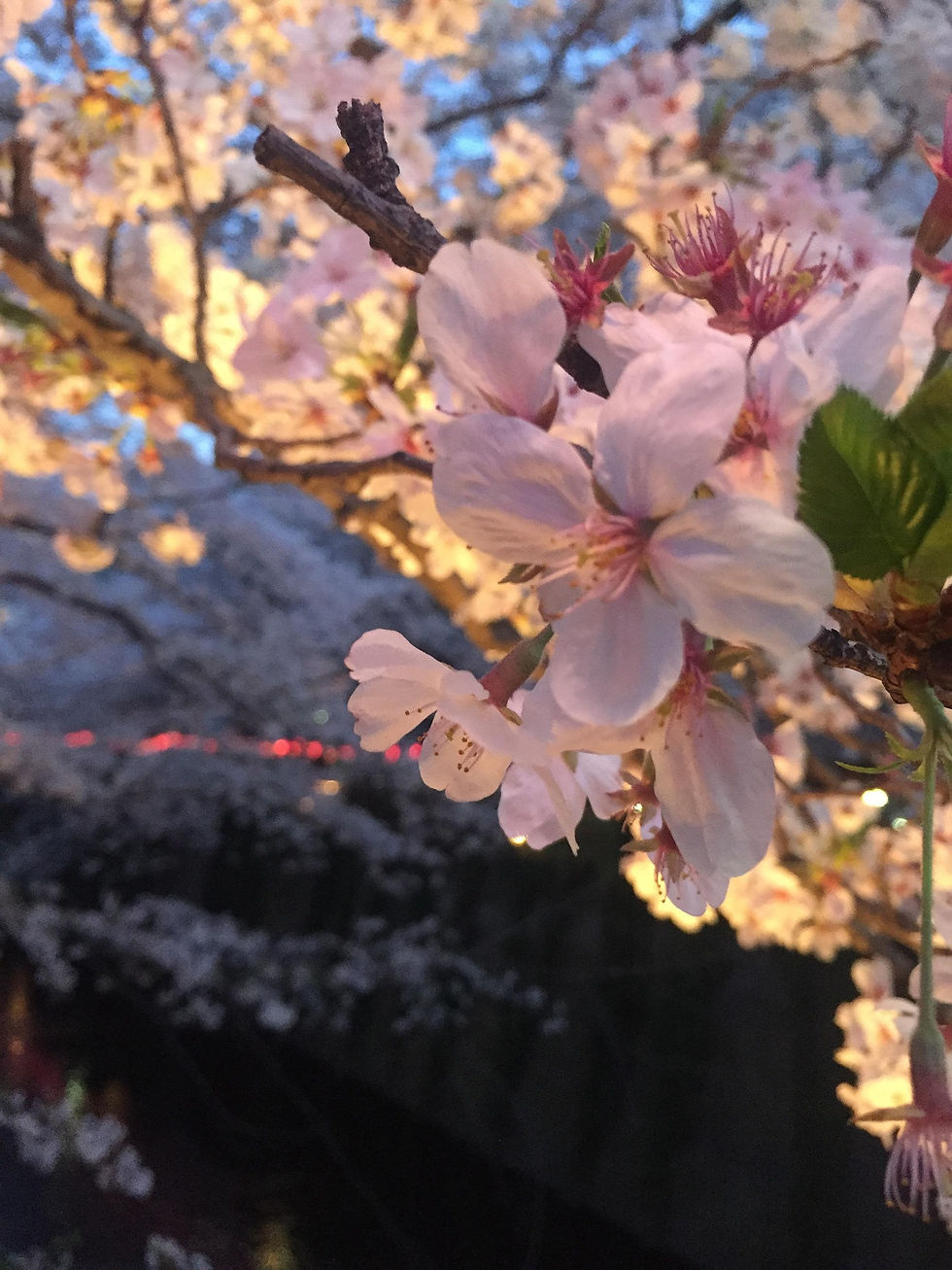
Set in the heart of the Higashiyama district, Kodai-ji is one of Kyoto's most atmospheric cherry blossom destinations. Founded in 1606 by Nene, the beloved wife of warlord Toyotomi Hideyoshi, the temple carries a quiet romantic history that adds depth to every spring visit. The grounds are home to approximately 50 cherry trees of multiple varieties, including Somei Yoshino, Yamazakura, weeping cherry (shidare-zakura), and double-flowered Yaezakura.
The undisputed highlight is the grand weeping cherry tree in the Hashin-tei garden in front of the main hall. Now in its fourth generation, this tree has been admired since the Edo period and casts graceful, drooping branches over the white sand garden in a scene that seems plucked from a classical painting. The petals reflected in the Garyuuchi Pond nearby add another layer of beauty.
During the Spring Special Night Visit, the garden is illuminated until 21:30, and projection mapping transforms the temple into something truly otherworldly. Daytime entry and nighttime visits offer entirely different experiences, both worth your time.
Address: 526 Shimokawara-cho, Kodai-ji, Higashiyama Ward, Kyoto, 〒605-0825 Access: Take city bus No. 206 from Kyoto Station and alight at Higashiyama-Yasui stop, then walk approximately 7 minutes Hours (Spring): 9:00–17:30 (day) / Night illumination from 17:00, last entry 21:30 Admission: Adults 800 yen (from April 2026), middle and high school students 400 yen
Kyoto Sakura2: Yodogawa River Park, Sewari-tei
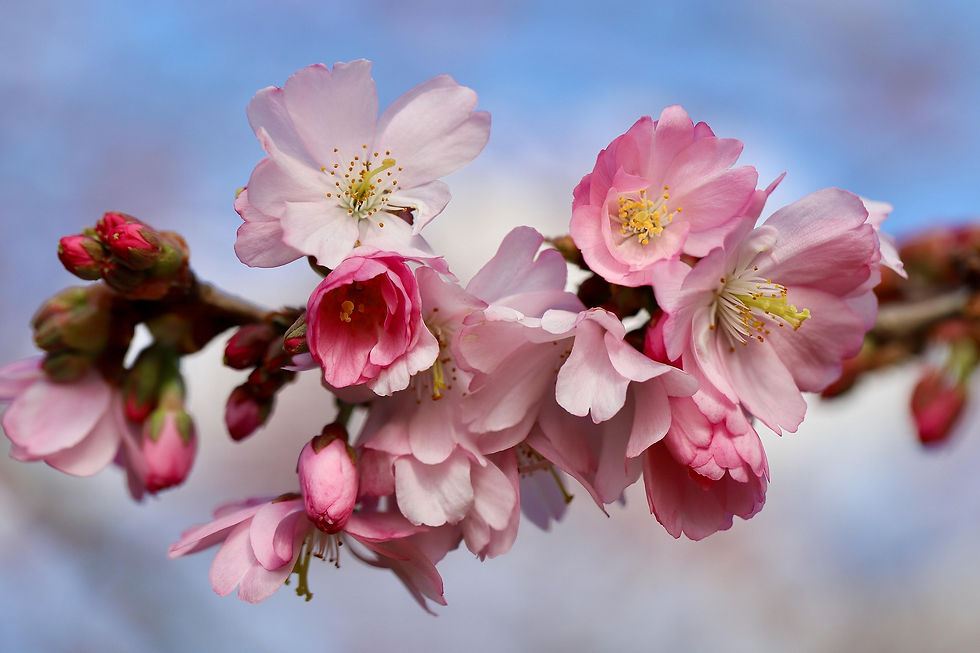
For a Kyoto Sakura experience on a grand, open-air scale, the Sewari-tei area of Yodogawa River Park is in a class of its own. Located at the confluence of the Uji River and Kizu River in Yawata City, the embankment stretches for approximately 1.4 kilometers, lined on both sides by around 220 Somei Yoshino cherry trees that form one of the most spectacular cherry blossom tunnels in the Kansai region. When the trees reach full bloom in late March to early April, the overhead canopy of pale pink petals creates an almost dreamlike corridor that visitors walk through in quiet awe.
The atmosphere here is open and expansive, set against a backdrop of the broad Yodogawa River, with views of Iwashimizu Hachimangu's Otokoyama hill across the water. The Sakura-de-ai-kan visitor center, opened in 2017, features a 25-meter observation tower from which the entire cherry blossom avenue can be seen from above, an experience that is simply breathtaking. During the Kyoto Yawata Sewari-tei Sakura Festival, which runs for approximately nine days during peak bloom, the site comes alive with market stalls, boat cruises, and guided tours.
Address: 〒614-8307 Yawata-shi Yawata Zaionjisakini, Kyoto Access: 10-minute walk north from Ishiyamahachimanguu Station on the Keihan Line Festival: Usually held for approximately 9 days in late March to early April (100-yen cooperation fee per adult applies during festival period)
Kyoto Sakura3: Heian Jingu Shrine
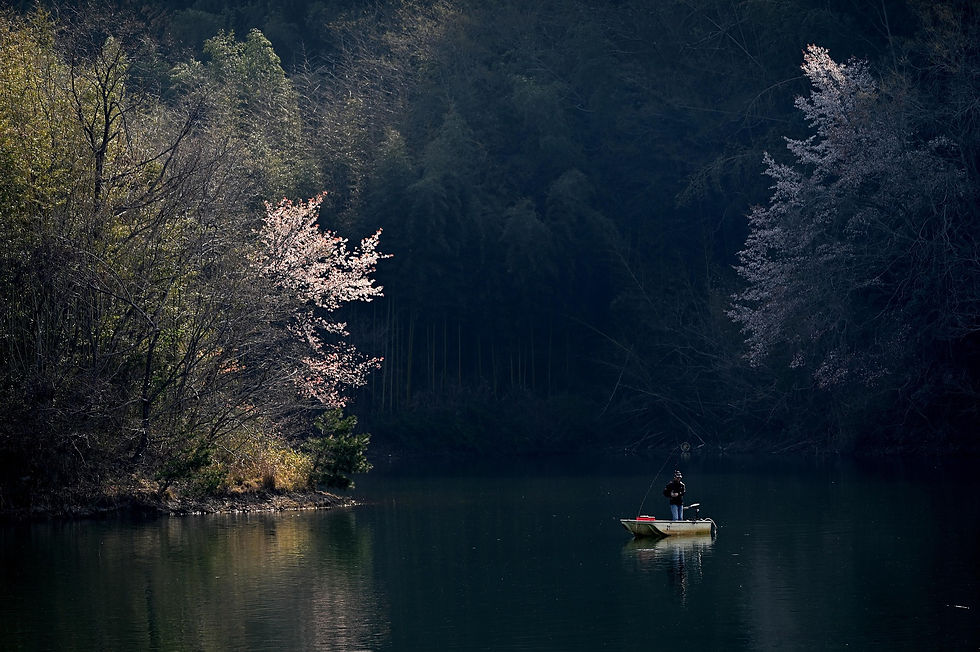
Few cherry blossom experiences in Kyoto Sakura can match the sheer visual impact of Heian Jingu Shrine in spring. Established in 1895 to commemorate the 1,100th anniversary of Kyoto's founding as the imperial capital, the shrine is renowned for its magnificent Shin-en garden, a designated National Site of Scenic Beauty. Each spring, approximately 300 cherry trees of around 20 different varieties burst into bloom across the four interconnected garden areas: South, West, Middle, and East.
The star attraction is undoubtedly the Beni-shidare-zakura, a deep crimson weeping cherry that was immortalized in Junichiro Tanizaki's celebrated novel "The Makioka Sisters" as resembling a red cloud in the evening sky. These striking trees arch dramatically overhead, creating a canopy of rich pink that contrasts beautifully with the vermilion shrine architecture. In the East Garden, the blossoms reflected in the Seiho-ike Pond present yet another unforgettable composition. Somei Yoshino, Yaezakura, Edohigan, and many other varieties extend the blooming season from late March through mid-April.
During cherry blossom season, a special Beni-shidare Concert featuring live music under the illuminated trees is held in the evenings, a deeply moving experience. The nearby Okazaki Canal also offers scenic boat rides.
Address: 〒606-8341 97 Nishitenno-cho, Okazaki, Sakyo Ward, Kyoto Access: 10-minute walk from Higashiyama Station (Kyoto Municipal Subway Tozai Line) / City bus to Okazaki Bijutsukan Heian Jingu-mae stop, then walk immediately Admission: Shrine grounds free / Shin-en garden 600 yen

Kyoto Sakura4: Chion-in Temple
Nestled at the foot of Higashiyama's Kacho-yama hill, Chion-in is the head temple of the Jodo sect of Buddhism and one of Kyoto's most architecturally commanding sacred sites. During Kyoto Sakura season, over 200 cherry trees of multiple varieties including Somei Yoshino, Yamazakura, weeping cherry, Yaezakura, and Shikizakura bloom across the sweeping temple grounds, from the broad approach around Higashidaioji all the way up to the inner precinct.
The most striking sight is the National Treasure Sanmon Gate, one of the largest wooden gates in Japan at 24 meters tall and 50 meters wide, flanked on both sides by full-flowering cherry trees. The combination of the colossal ancient gate and the delicate blossoms creates one of the most photographed scenes in Kyoto. Within the garden compound of Yuzen-en, weeping cherry trees drape elegantly over the dry landscape garden, adding an intimate counterpoint to the grandeur of the gate outside. The path to Goryosho (the mausoleum of Honen Shonin, the temple's founder) is also adorned with a single magnificent weeping cherry.
The annual Spring Light-Up event, typically running for about ten days in late March to early April, illuminates the gate, gardens, and surrounding pathways after dark, transforming the scene into something hauntingly beautiful.
Address: 〒605-8686 400 Rinkashimo-cho, Higashiyama Ward, Kyoto Access: 8-minute walk from Higashiyama Station (Kyoto Municipal Subway) / 11-minute walk from Gion-Shijo Station (Keihan Line) / Bus to Chion-in-mae, then walk 5 minutes Spring Light-Up: Typically late March to early April, 17:45–21:30 (Adults 800 yen, children 400 yen)

Kyoto Sakura5: Philosopher's Path (Tetsugaku no Michi)
The Philosopher's Path is perhaps the most beloved of all Kyoto Sakura walking routes, and for good reason. This tranquil stone-paved pathway runs for approximately 2 kilometers along the Biwako Sosui Branch Canal in Kyoto's Sakyo Ward, connecting the area near Ginkaku-ji (Silver Pavilion) in the north with Nanzen-ji Temple in the south. It takes its name from philosopher Kitaro Nishida of Kyoto University, who was said to meditate along this very route on his daily commute.
The path is lined with approximately 400 cherry trees, predominantly Somei Yoshino, with scattered Yamazakura, Yaezakura, Oshimazakura, and weeping cherry varieties woven throughout. Many of these trees trace back to a donation of 300 saplings by the renowned Japanese painter Hashimoto Kansetsu and his wife in the early 20th century. They are affectionately known as "Kansetu Zakura" in his honor. The blooming season peaks from late March to early April, creating a breathtaking pink tunnel arching above the narrow canal path.
One of the most magical sights here is the phenomenon known as "hanaikada" (flower raft), where fallen petals float gently along the surface of the water in a pale pink drift. Along the path, small cafes, boutiques, and shrines invite visitors to slow down and linger. Entry is free and the path is open 24 hours.
Location: Along the Biwako Sosui Branch Canal, Sakyo Ward, Kyoto (running between Ginkaku-ji in the north and Nanzen-ji in the south) Access: From Kyoto Station, take city bus No. 5 or No. 100 to Ginkakuji-mae stop / From Keihan Demachiyanagi Station, take city bus No. 17 to Ginkakuji-mae (approx. 10 minutes) Admission: Free, open 24 hours
Kyoto Sakura6: Arashiyama
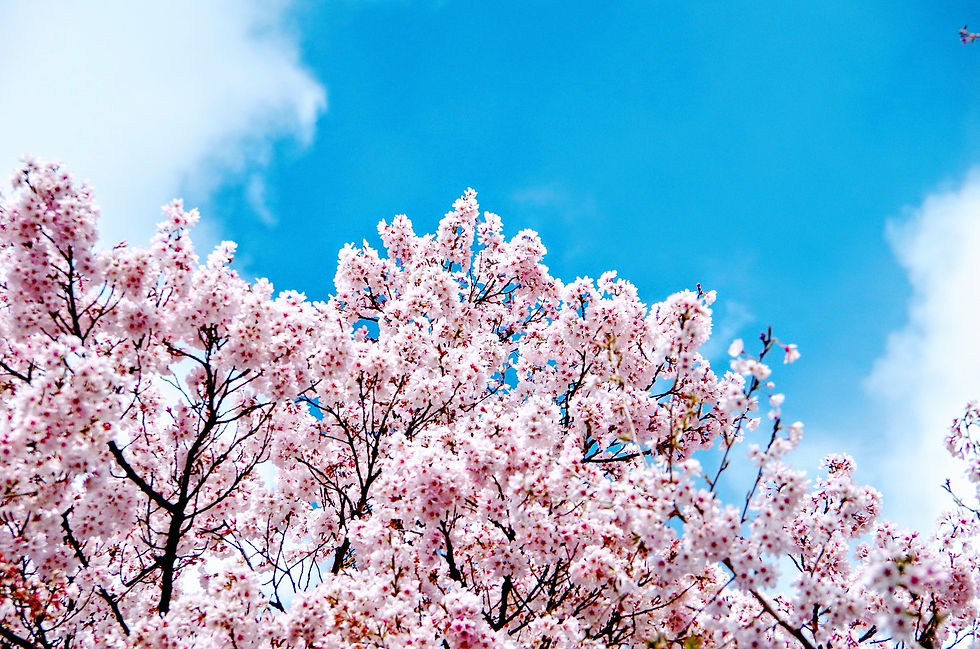
No Kyoto Sakura guide would be complete without Arashiyama, one of the city's most iconic and visually spectacular destinations. Situated in the western reaches of Kyoto, this renowned scenic area is framed by the Oi River (Katsura River), the Togetsu-kyo Bridge, and the forested hillsides of Arashiyama itself. In spring, the entire mountain becomes cloaked in the soft hues of approximately 1,500 cherry trees in bloom, a panorama visible from the bridge below and unforgettable from any angle.
The peak blooming season runs from late March through early April, centered primarily on Somei Yoshino and Yamazakura. The Nakano-shima Park area, just south of Togetsu-kyo Bridge, hosts around 300 cherry trees and draws large crowds of hanami-goers, with food stalls adding a festive energy to the scene. Nearby Tenryu-ji, a UNESCO World Heritage Site, offers a more serene flower-viewing experience within its celebrated Sogen-chi garden. For visitors seeking different vantage points, scenic boat rides along the Oi River provide a unique view of the blossoming hillsides from the water.
At dusk, the trees around Arashiyama Park are illuminated, and the reflection of cherry blossoms on the river surface creates a scene of rare and quiet beauty.
Location: Arashiyama district, Ukyo Ward and Nishikyo Ward, Kyoto (centered around Togetsu-kyo Bridge and the Katsura River) Access: Hankyu Kyoto Line to Arashiyama Station (5-minute walk to Togetsu-kyo Bridge) / JR San-in Main Line to Saga-Arashiyama Station / Keifuku Electric Railroad Arashiyama Line to Arashiyama Station Admission: Arashiyama area free / Individual temples and gardens charge separately

Closing Thoughts
Spring in Kyoto is a season unlike any other. From the illuminated weeping cherry of Kodai-ji to the legendary cherry tunnel of the Philosopher's Path, from the crimson grandeur of Heian Jingu's garden to the mountain-wide spectacle at Arashiyama, Kyoto Sakura offers an extraordinary range of experiences for every traveler. Each spot carries its own history, its own mood, and its own particular beauty. Whether you visit at dawn, in the warm light of afternoon, or beneath the glow of a nighttime illumination, the blossoms of Kyoto will stay with you long after the petals have fallen. Plan your trip for late March through early April, and let the cherry blossoms of Kyoto speak for themselves.