.jpg)
Arashiyama Onsen Guide: Relaxing Hot Springs After Kyoto Sightseeing
- くまCEO
- 7月29日
- 読了時間: 6分
更新日:8月3日
Arashiyama Onsen【Introduction】
If you are planning a trip to western Kyoto,the Arashiyama onsen experience is one of the most relaxing ways to complete your day. Famous for the Bamboo Grove, Togetsukyo Bridge, riverside scenery, and historic temples, Arashiyama is also home to several peaceful hot spring facilities and traditional ryokan where visitors can soak away the fatigue of sightseeing.
Unlike large hot spring towns such as Hakone or Kinosaki, Arashiyama offers a quieter and more Kyoto-like onsen experience. Here, hot springs are often paired with seasonal scenery, elegant kaiseki meals, riverside views, and traditional Japanese hospitality. Some facilities welcome day visitors, while others are reserved for overnight guests, so it is important to choose the right style for your itinerary.
In this guide, we introduce the best ways to enjoy Arashiyama onsen, from casual day-use bathing to refined ryokan stays with private baths. Whether you are visiting Kyoto as a couple, a family, or a solo traveler, an onsen stop in Arashiyama can turn a busy sightseeing day into a deeply memorable moment of rest.
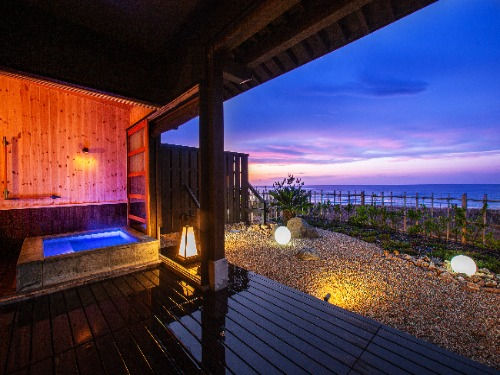
1. Arashiyama Onsen : Fufu no Yu(風風の湯)
Address: 1 Arashiyama Kamikawara-cho, Nishikyo-ku, Kyoto CityHours: 12:00–22:00, last admission 21:30Admission: Adults ¥1,200 on weekdays / ¥1,400 on weekends and holidays; children aged 3 to elementary school ¥600; infants aged 2 and under ¥300Access: 1-minute walk from Hankyu Arashiyama Station, 10-minute walk from Randen Arashiyama Station, 20-minute walk from JR Saga-Arashiyama Station
Fufu no Yu is the most convenient choice for travelers who want to enjoy Arashiyama onsen without staying overnight at a ryokan. It is a day-use hot spring facility located near Hankyu Arashiyama Station, making it easy to visit after walking around Togetsukyo Bridge, the Bamboo Grove, or Tenryuji Temple.
The facility offers natural Arashiyama hot spring water, indoor baths, an open-air bath, and a calm atmosphere where visitors can relax at their own pace. The spring quality is a simple thermal hot spring with a low alkaline level, often appreciated for its gentle feel on the skin. After a long day of exploring Kyoto’s stone paths, temple gardens, and riverside scenery, soaking here feels especially refreshing.
For first-time visitors to Japanese onsen, Fufu no Yu is also one of the easiest places to try the experience. Because it is designed for day visitors, you do not need to book a full ryokan stay. Shampoo and body soap are available inside, and towels can usually be rented or brought from your accommodation. Guests of nearby hotels may also be able to ask their front desk about discount tickets or towel support.
This is the best option for travelers who want a simple, accessible, and authentic Arashiyama onsen experience after sightseeing.

2.Arashiyama Onsen : Kyoto Arashiyama Hot Spring Resort Kadensho(花伝抄)
Address: 5-4 Nishiichikawa-cho, Arashiyama, Nishikyo-ku, Kyoto CityAccess: Approximately 1 minute from Hankyu Arashiyama StationStyle: Overnight stay and limited day-use plans with mealsBaths: Large public bath, open-air bath, and five reservable private baths.
Kadensho is a popular hot spring ryokan located just beside Hankyu Arashiyama Station. Its excellent location makes it especially convenient for travelers who want to combine sightseeing with a full ryokan experience. After arriving by train, guests can easily leave their luggage, explore Arashiyama, and return for a relaxing evening bath.
One of Kadensho’s biggest attractions is its variety of bathing styles. In addition to a large public bath, the property offers five reservable private baths, each with a different atmosphere.
This makes it appealing for couples, families, or guests who feel shy about using a public bath. Private baths are especially helpful for travelers visiting Japan for the first time, as they allow guests to enjoy onsen culture in a more personal setting.
The ryokan also offers seasonal kaiseki cuisine, creating a classic Kyoto overnight experience: walk along the river during the day, enjoy a hot spring in the evening, then sit down to a carefully prepared Japanese dinner. For visitors who want more than a quick bath, Kadensho provides a comfortable balance between convenience, tradition, and relaxation.
Please note that day-use options are limited and may require a meal plan or private room plan, so advance confirmation is recommended.

3.Arashiyama Onsen : Kyoto Arashiyama Onsen Ryokan Hanaikada(彩四季の宿 花筏)
Address: 57 Arashiyama Nakaoshitacho, Nishikyo-ku, Kyoto, Kyoto 616-0004 Day-use hours: 11:00–14:00Access: Approximately 5 minutes on foot from Hankyu Arashiyama Station or Randen Arashiyama StationStyle: Overnight stay and limited day-use plans with mealsBaths: Open-air bath and reservable private open-air bath
Hanaikada is a charming hot spring ryokan located near the southern end of Togetsukyo Bridge. With only 15 guest rooms, it offers a more intimate and personal atmosphere than larger hotels. Its location is one of its greatest strengths: guests can enjoy the famous bridge, the river, and the seasonal scenery of Arashiyama almost immediately after stepping outside.
The ryokan is known for combining Arashiyama hot spring bathing with Kyoto-style dining. Day-use visitors may be able to enjoy the baths as part of a meal plan, while overnight guests can take more time to experience the atmosphere of the inn. The hot spring water is described as a simple, hypotonic, alkaline spring, and the facility includes both an open-air bath and a reservable private bath.
Hanaikada is a good choice for couples or families who want to enjoy both Kyoto cuisine and onsen in one experience. The private open-air bath is particularly attractive for guests who prefer a quiet soak away from the public bathing area. Because the day-use plan is limited and often connected to meals, it is best to reserve in advance rather than arriving without confirmation.
For travelers looking for a graceful, Kyoto-style onsen lunch or an overnight stay near Togetsukyo Bridge, Hanaikada is one of the most memorable options in Arashiyama.
4.Arashiyama Onsen : Kyoto Arashiyama Togetsutei(渡月亭)
Address: 54-4 Arashiyama Nakaoshita-cho, Nishikyo-ku, Kyoto CityAccess: Approximately 7 minutes on foot from Hankyu Arashiyama Station or Randen Arashiyama Station; approximately 15 minutes on foot from JR Saga-Arashiyama StationStyle: Overnight stay onlyBaths: Indoor hot spring bath and reservable bath
Togetsutei is one of Arashiyama’s classic ryokan, established in 1897 near the southern end of Togetsukyo Bridge. Its long history, riverside location, and traditional Kyoto atmosphere make it a special choice for travelers who want to experience the elegance of old Arashiyama.
The hot spring at Togetsutei is available only for overnight guests, so it is best suited for those planning a full ryokan stay rather than a casual day visit. The spring quality is a simple thermal hot spring with a low alkaline level, designed to help guests relax after sightseeing in Sagano and Arashiyama.
Staying here allows visitors to experience Arashiyama at quieter times of day. During the afternoon, the area around Togetsukyo Bridge can be busy with tourists, but early morning and evening are much calmer. Guests can enjoy a peaceful walk by the river, return to the ryokan for a bath, and then savor a traditional Kyoto-style meal.
Togetsutei is ideal for travelers who want a refined and historic ryokan experience, especially those celebrating an anniversary, honeymoon, or special family trip.
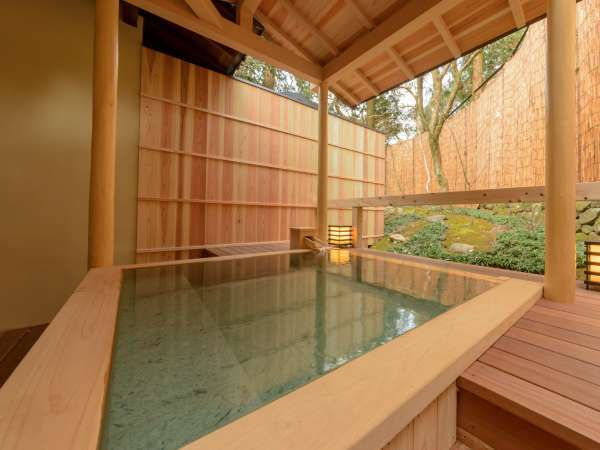
5.Arashiyama Onsen : Ryotei Rangetsu(嵐月)
Address: 7 Susukinobaba-cho, Saga Tenryuji, Ukyo-ku, Kyoto CityBath hours: Evening 15:00–23:00 / Morning 6:00–10:30Style: Overnight stayBaths: Large public bath and guest room baths using natural deep groundwater
Rangetsu is not simply a bathing facility but a refined ryokan experience built around Arashiyama’s natural setting. Located close to the river and surrounded by seasonal scenery, it offers a calm atmosphere for guests who want to stay in the heart of Arashiyama while enjoying a high-quality Japanese inn.
The baths at Rangetsu use natural water sourced from deep underground in Arashiyama. According to the ryokan, rainfall from the surrounding mountains passes through ancient geological layers, creating mineral-rich water used in the baths. The water contains components that are said to leave the skin feeling smooth, making the bathing experience gentle and soothing.
Guests staying at Rangetsu can enjoy a large public bath in addition to private baths in some guest rooms. The evening bath is perfect after sightseeing, while the morning bath offers a quiet start before the crowds arrive around Togetsukyo Bridge and the Bamboo Grove.
Rangetsu is best for travelers who value privacy, scenery, cuisine, and a slower pace. It is especially suitable for special occasions or for visitors who want to experience Arashiyama not only as a sightseeing destination, but as a place to stay, rest, and reconnect with Kyoto’s natural beauty.
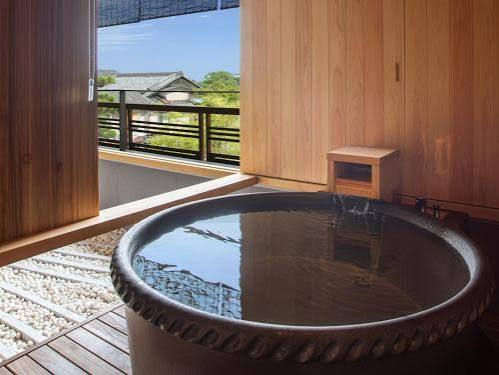
Arashiyama Onsen【Closing Thoughts】
Arashiyama onsen is not about rushing from one attraction to another. It is about slowing down. After walking through bamboo paths, crossing Togetsukyo Bridge, visiting temples, and exploring the riverside streets, a hot spring bath gives your body and mind time to absorb the beauty of Kyoto.
For the easiest day-use option, Fufu no Yu is the most practical choice. For a meal and bath experience, Hanaikada and Kadensho are excellent options. For a full overnight ryokan stay, Togetsutei, and Rangetsu offer a deeper sense of traditional Japanese hospitality.
No matter which style you choose, an Arashiyama onsen experience adds warmth, calm, and comfort to your Kyoto journey. It is especially recommended at the end of a sightseeing day, when the crowds begin to fade, the river grows quiet, and the mountains of Arashiyama settle into the soft light of evening.
References